Also Written By: Janvi Patidar | Legal & Current Affairs Faculty
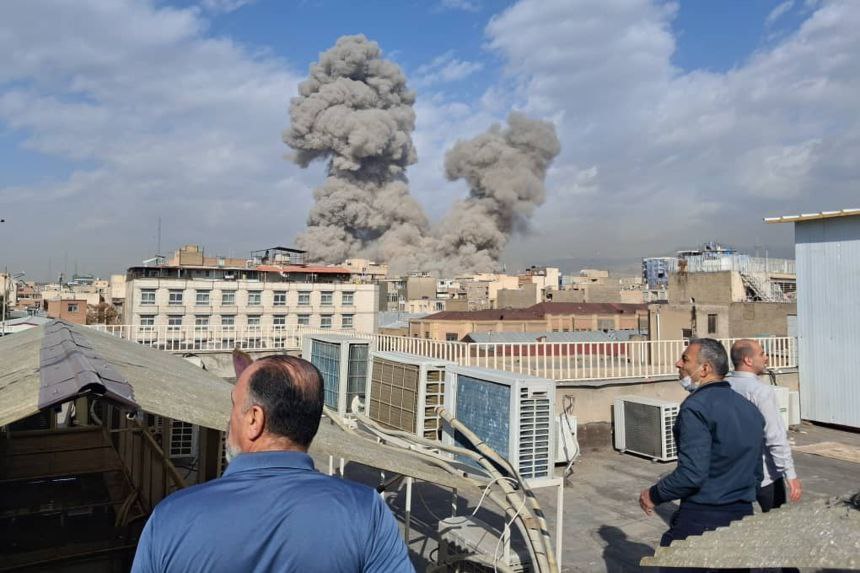
The impact of Iran Israel war on India is not limited to West Asia alone. As tensions between Iran and Israel escalate with direct involvement of the United States, India faces serious consequences in energy security, inflation, foreign policy balancing, and safety of Indian citizens abroad.
What is the Iran–Israel War?
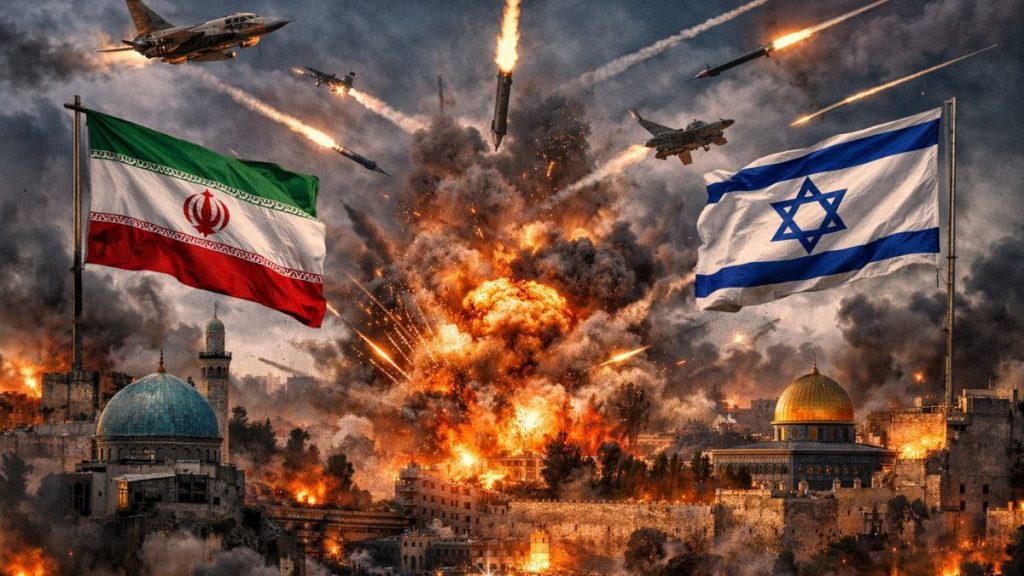
The present conflict represents a departure from proxy wars and covert operations to direct military confrontation. It was initiated as a pre-emptive strike by the US administration and the Israeli government with the stated objectives of:
- Regime change in Iran
- Dismantling Iran’s nuclear and ballistic missile capabilities
In response, Iran launched Operation Truthful Promise 4, involving large-scale drone and missile attacks on Israel and US-allied Gulf states. This escalation has turned the confrontation into a regional war with multiple active fronts.
History and Causes of Tensions
The roots of the Iran–Israel–US conflict lie in long-standing historical and ideological factors:
- 1953 Coup: The CIA-backed overthrow of Iran’s Prime Minister Mohammad Mosaddegh created deep anti-US sentiment in Iran.
- 1979 Islamic Revolution: Iran shifted from being a US ally under the Shah to a clerical regime that views the US as the “Great Satan” and Israel as illegitimate.
- Nuclear Ambitions: Iran’s uranium enrichment programme has been viewed by Israel as an existential threat and by the US as a global security risk.
- Regional Proxy Wars: Iran’s “Axis of Resistance” (including Hezbollah, Hamas and the Houthis) has remained in persistent conflict with Israeli and US interests.
- Failure of Diplomacy: The collapse of nuclear deal negotiations in early 2026 contributed directly to the present military escalation.
Recent Events Leading to Escalation
The immediate trigger for the war was the assassination of Iran’s Supreme Leader:
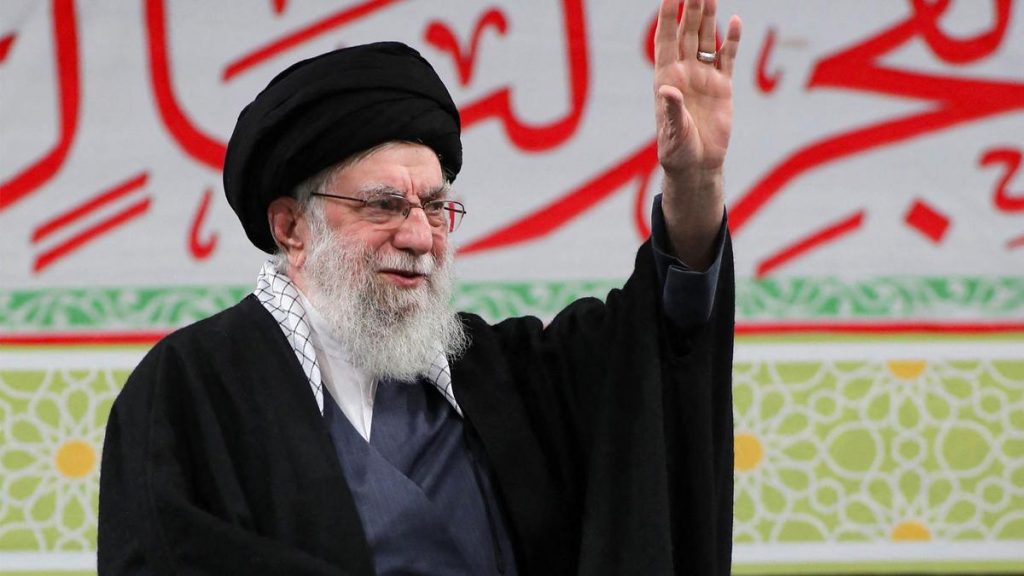
- Assassination of Ali Khamenei: A joint US–Israeli airstrike on 28 February 2026 targeted the Supreme Leader’s compound in Tehran, killing him and members of his family.
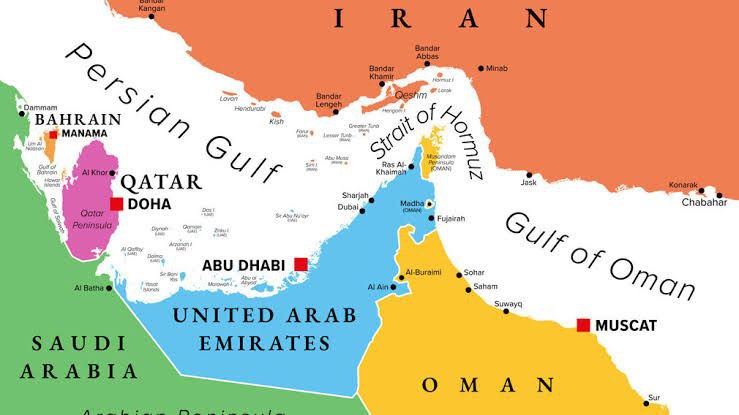
- Retaliatory Strikes on Gulf States: Iran launched missile attacks on US-allied states such as the UAE, Saudi Arabia, Qatar, Bahrain and Kuwait, citing the presence of US military bases.
- Economic Disruption at Chokepoints: The Strait of Hormuz became a combat zone, with naval engagements reported and oil prices surging globally.
- Domestic Unrest in Iran: Mixed reactions emerged inside Iran, with both celebrations and calls for revenge reported in different cities.
- Spread of Conflict to Lebanon: Israel carried out strikes on Hezbollah targets in Beirut after rocket attacks were launched in solidarity with Iran.
Global Challenges Arising from the War
The conflict has generated several global-level challenges:
- Global Energy Crisis: Disruption in the Strait of Hormuz has increased fuel prices and insurance costs, contributing to global inflationary pressure.
- Regional Polarisation: Gulf countries that earlier balanced relations are now being forced to take sides.
- Humanitarian Crisis: Urban bombing and strikes on civilian areas in Iran, Israel and Gulf cities have led to high civilian casualties.
- Great Power Involvement: The risk of intervention by Russia and China has increased due to strategic and energy interests.
- Risk to Nuclear Facilities: Bombardment of Iranian territory has raised concerns about environmental and nuclear safety, prompting international monitoring agencies to intervene.
Strait of Hormuz: Strategic Importance
The Strait of Hormuz is the world’s most critical energy transit chokepoint. It connects the Persian Gulf with the Gulf of Oman and facilitates:
- Around one-fifth of global petroleum and LNG trade
- Daily transit of nearly 15 million barrels of crude oil
Even if alternative pipelines operate at full capacity, a closure of the strait would still disrupt a large portion of global energy supplies.
Impact of Strait of Hormuz Disruption on India
India is directly affected by instability in the Strait of Hormuz:
- About half of India’s crude oil imports pass through the strait.
- India imports over 88% of its crude oil and depends heavily on West Asia for oil and gas.
- India is the world’s third-largest oil consumer, making uninterrupted energy flows vital for its economy.
Short-Term Cushion: Crude Oil
Indian refiners hold more than 10 days of crude inventory and around one week of fuel stocks. India also has strategic petroleum reserves and can diversify imports from Russia, the United States, West Africa and Latin America. This provides short-term resilience, though at higher prices.
Major Vulnerability: LPG
India imports 80–85% of its LPG, largely through the Strait of Hormuz. Unlike crude oil, India does not maintain large strategic LPG reserves, making households vulnerable to prolonged disruption.
Limited Safety Net: LNG
Around 60% of India’s LNG imports pass through the strait. There are no strong structural reserves, and spot cargo availability is limited. Prolonged disruption could severely affect gas availability and prices.
Likely Duration and Price Impact
Oil prices have already risen due to conflict-related uncertainty. The long-term price trajectory depends on:
- Duration of the conflict
- Degree of disruption to shipping in the Strait of Hormuz
In a prolonged conflict scenario, oil prices could rise sharply, potentially crossing $100 per barrel, placing heavy pressure on importing economies like India.
A complete long-term closure of the strait remains unlikely, as Gulf producers — including Iran itself — depend on exports through this route for revenue.
Conclusion
The assassination of Ali Khamenei and the subsequent Iran–Israel war mark a turning point in West Asian geopolitics. What was once a shadow conflict has transformed into a direct, multi-front regional war with global economic and security consequences.
For India, the conflict is especially significant due to its heavy dependence on energy imports through the Strait of Hormuz. The situation highlights how geopolitical instability in West Asia can directly impact India’s economy, energy security, and strategic environment. The coming weeks will determine whether this conflict remains a short, intense confrontation or evolves into a prolonged regional war with long-term global consequences.
Also Read; https://vidhigya.com/blog/freedom-of-speech-in-parliament-article-105/