Also Written By: Janvi Patidar
Introduction
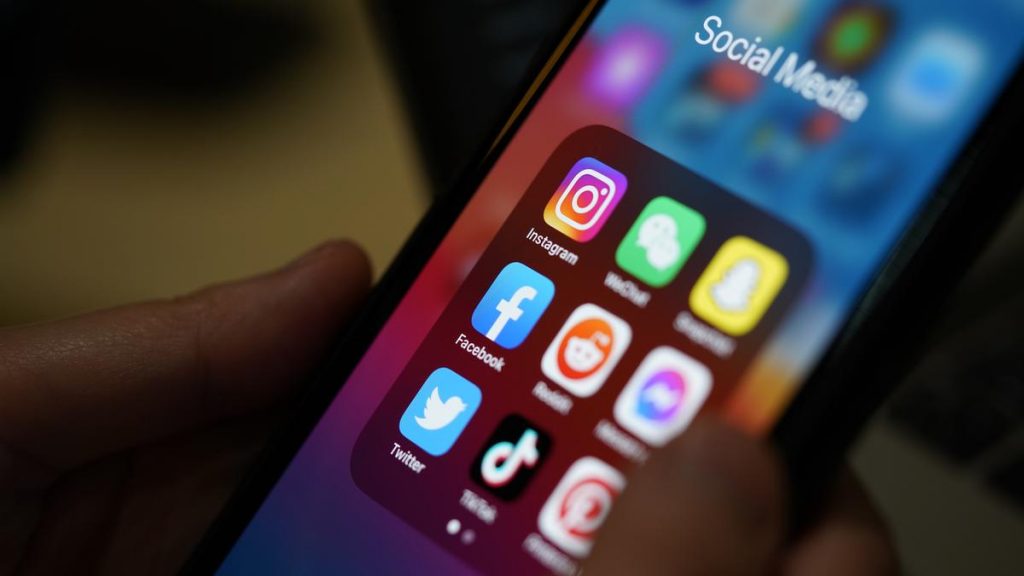
The Karnataka government has proposed a significant policy measure to Ban Social Media for Children Under 16.The proposal was announced by Chief Minister Siddaramaiah during the presentation of the 2026–27 State Budget.
The measure is intended to protect young users from the harmful effects associated with excessive mobile phone usage and prolonged exposure to social media platforms.
The announcement reflects growing concerns about the psychological, behavioural, and privacy-related risks faced by minors in the digital ecosystem.
Karnataka’s Proposal: To Ban Social Media for Children Under 16
In his budget speech, Chief Minister Siddaramaiah stated that the government plans to prohibit the use of social media platforms by children under the age of 16.
According to the official budget document:
“With the objective of preventing adverse effects of increasing mobile usage on children, usage of social media will be banned for children under the age of 16.”
The proposed ban aims to address issues such as:
- Digital addiction among children
- Exposure to harmful or inappropriate online content
- Cyberbullying and online harassment
- Privacy and data protection risks
If implemented, Karnataka would become one of the first Indian states to impose a direct age-based restriction on social media access for minors.
Link with India’s Data Protection Framework
The proposal intersects with India’s national digital privacy regime under the Digital Personal Data Protection Act, 2023 and the Digital Personal Data Protection Rules, 2025.
Section 9 of the DPDP Act
Section 9 of the Digital Personal Data Protection Act, 2023 establishes special protections for children’s personal data. It requires that:
- A data fiduciary must obtain verifiable parental consent before processing the personal data of a child.
- Online platforms must ensure that minors cannot create accounts or share data without parental authorization.
This provision aims to safeguard children from data misuse and exploitation by digital platforms.
Parental Consent and Age Verification Requirements
The Digital Personal Data Protection Rules, 2025 further clarify how parental consent must be verified.
Rule 10 of the DPDP Rules, 2025
Under Rule 10, online platforms are required to adopt technical and organisational measures to ensure compliance. These include:
- Obtaining verifiable parental consent before processing a child’s data
- Confirming that the consenting person is a verifiable adult
- Using reliable identity verification methods
Such verification may involve credentials issued by recognised systems such as:
- Government-recognised identity databases
- Digital identity verification services
- DigiLocker
These mechanisms ensure that children cannot easily bypass age restrictions when accessing online platforms.
Also Read; https://vidhigya.com/blog/nitish-kumar-set-to-resign-as-bihar-cm-constitutional-analysis/
How Karnataka’s Proposal Goes Beyond Central Law
While the Digital Personal Data Protection Act, 2023 primarily focuses on data protection and parental consent, Karnataka’s proposal could introduce a stricter regulatory approach.
The proposed policy would effectively ban social media usage entirely for children under 16, rather than merely regulating data processing.
If implemented, this would add an additional layer of regulation at the State level, potentially requiring social media platforms to implement stricter access controls for users in Karnataka.
Focus on Student Well-Being and Campus Safety
Apart from regulating social media usage, the Karnataka Budget also highlighted broader concerns regarding student welfare.
The government emphasised the role of educational institutions—schools, colleges, and universities—in shaping students’ health, character, and future.
As part of this approach, the government plans to introduce measures to combat drug abuse in educational campuses.
These initiatives may include:
- Awareness and educational campaigns
- Strict disciplinary mechanisms
- Dedicated counselling and support centres for students
The government believes that a combination of digital regulation and campus welfare initiatives can help promote healthier environments for young people.
Implementation and Future Regulations
Although the budget announcement outlines the policy intent, the Karnataka government is expected to frame detailed rules and guidelines for implementation.
These rules may address key operational issues such as:
- Age verification systems for social media platforms
- Compliance requirements for technology companies
- Enforcement mechanisms within the State
- Penalties for violations
Once drafted, the rules will determine how the proposed ban will function in practice.
Conclusion
Karnataka’s proposal to ban social media use for children under 16 represents a significant step in India’s evolving digital governance framework.
While national legislation such as the Digital Personal Data Protection Act, 2023 already imposes safeguards through parental consent and data protection obligations, the State’s plan may introduce stricter age-based restrictions.
The success of the policy will ultimately depend on the implementation framework, technological enforcement mechanisms, and cooperation from social media platforms.
As governments worldwide grapple with the impact of digital platforms on young users, Karnataka’s proposal could become an important case study in balancing child protection, digital freedom, and regulatory oversight.